
- Your cart is empty
- Continue shopping

-
Faith
- Posted on
- Categories:Uncategorized
- 0 comments
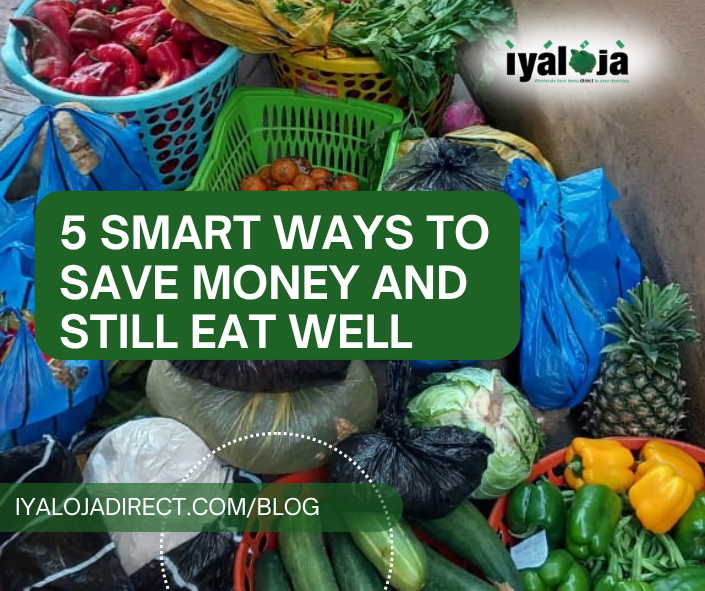
Food prices keep rising, and for many families, feeding well without overspending has become a major challenge.
One week, tomatoes are expensive. Next week, it’s pepper, potatoes, rice, or beans. A simple market run would just take a bigger part out of your budget than you planned. Quite pathetic!
But, there is good news. Eating well doesn’t always mean over spending. All you need is a few smart habit to reduce food expenses, waste less, and still enjoy nutritious meals at home.
Here are five practical ways to save money and eat well, even in today’s economy.
1. Plan Your Meals Before You Shop
One of the easiest ways to overspend is to shop without a plan.
When you know what meals you want to prepare for the week, it becomes easier to buy only what you need. This helps you avoid impulse buying, and reduces the chances of food going to waste.
A simple meal plan can also help you make better use of ingredients you already have at home.
Remember, every item you buy should have a purpose.
2. Buy Food Items In Bulk
Buying food in small quantities may seem cheaper at first, but it often costs more in the long run.
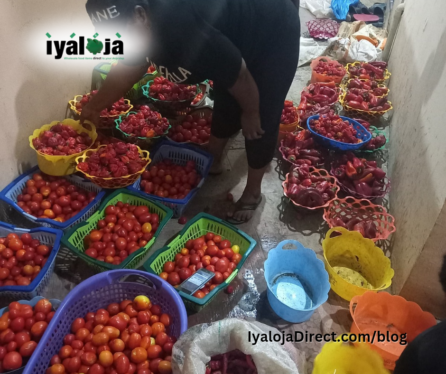
Foodstuffs such as rice, beans, garri, yam flour, grains, and spices are usually more cheaper when bought in bulk.
Bulk buying helps you save money and reduces the number of times you need to do market runs.
The key is to buy quantities you can properly store and use.
3. Join Iyaloja Direct Weekly Bulk Food Sharing In Lagos
This is one of the smartest ways many people living in Lagos are saving money today.
Instead of entering the market alone, bargaining prices and still over pay, Iyaloja Direct customers come together and buy in bulk from Mile12, Oyingbo and ketu markets and share, saving money up to 40%, save time and save stress while enjoying fresh and top-quality foodstuffs delivered to their locations in Lagos.
Interestingly, no matter how little foodstuff they need, they shop at direct market wholesale prices.
For busy families and smart shoppers, it is a practical way to stretch food budgets further.
4. Reduce Food Waste
Many households lose money through food waste without realizing it.
Vegetables spoil in the fridge. Cooked food gets forgotten. Fresh ingredients go bad before they are used.
Simple habits such as proper food storage, meal planning, and using leftovers creatively can help you get more value from every food item you buy.
The less food you waste, the more money you save.
5. Focus On Seasonal Local Foods
Healthy eating does not have to be expensive.
Many seasonal local foods are fresh, affordable and nutritious
Foods such as beans, sweet potatoes, millet, guinea corn, vegetables, plantain, and local fruits can provide important nutrients without putting too much pressure on your budget.
Instead of focusing only on imported foods, explore nutritious local foods that offer great value for money.
Conclusion
Saving money on food is not about skipping meals or sacrificing quality. It is about choosing smarter options.
A well-planned shopping list, bulk buying, reducing waste, and taking advantage of group buying can help a lot. Even, small savings made consistently can add up to a big amount by the end of the month.
Yes, feeding your family well while staying within budget is possible.
The secret is not necessarily spending less on food, but spending smarter.
By planning ahead, buying wisely, reducing waste, and choosing cost-effective food options, you can enjoy nutritious meals without constantly worrying about rising food prices.
Ready To Save More On Food Shopping?
At Iyaloja Direct, we help hundreds of people in Lagos enjoy better value through our weekly bulk food sharing.
Save money, save time, and enjoy access to fresh and top- quality food items at direct market wholesale prices.
Contact us today and start shopping at www.IyalojaDirect.com
