

- Your cart is empty
- Continue shopping
-
Faith
- Posted on
- Categories:Food Tips, Uncategorized
- 0 comments
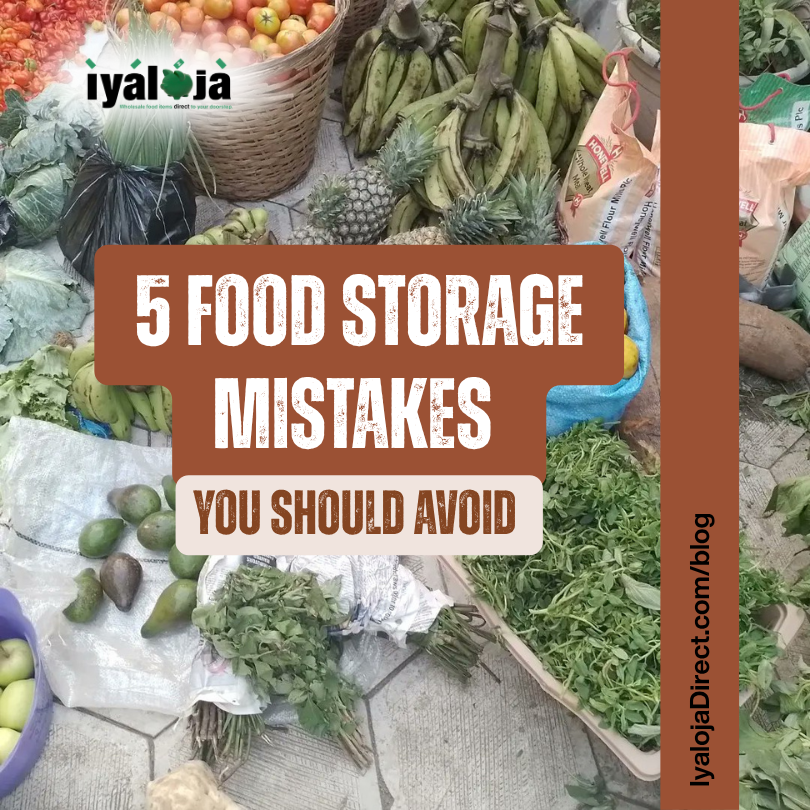
Have you ever bought food items like fresh tomatoes, vegetables, or other items, and found them spoiling a few days later? This can be frustrating, we know, especially when food prices are high and you are trying to make your money last longer.
Sometimes, the problem is not the quality of the food you bought. It could be how you store it and keep them away from other fast inducing spoilage foods.
The way you store your food can determine how long it stays fresh, how much you get to enjoy it, and how much money you save especially during the rainy season most foods have moisture. Unfortunately, many people make simple food storage mistakes without even knowing it.
If you want your foodstuff to last longer and reduce food waste in your kitchen, here are five food storage mistakes you should avoid.
1. Storing All Your Fruits and Vegetables in the Refrigerator
One common mistake is assuming that every fruit and vegetable belongs in the refrigerator.
While refrigeration helps keep many fresh foods from spoiling quickly, some items are better stored at room temperature until they ripen.
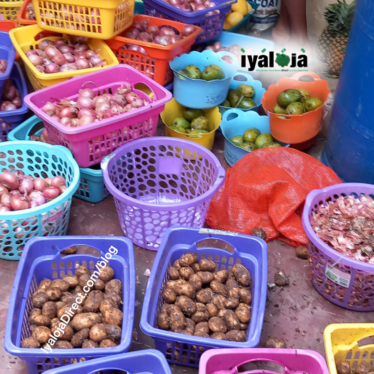
For example, whole tomatoes, unripe bananas, and avocados can be kept at room temperature until they reach the desired level of ripeness. Once ripe, refrigeration can help extend the life of some of these fruits and vegetables. Onions and garlic should generally be kept in a cool, dry, well-ventilated place rather than in a damp environment.
Understanding which foods need refrigeration can help you keep your kitchen organised and reduce unnecessary waste.
2. Putting Wet Vegetables into Storage
Excess moisture can encourage spoilage, especially when vegetables are tightly packed without proper ventilation.
Leafy vegetables such as ugu, efo tete, and other leafy vegetables can become slimy or develop mold when stored with too much moisture.
What you should do:
If you are not ready to use your vegetables immediately, avoid washing them before storage unless necessary. Remove bad leaves and wrap the vegetables in a paper, put in nylon and keep in a cool place. But, if you have already washed them, drain them properly and gently pat them dry before refrigerating.
Also, avoid packing vegetables too tightly. Give them enough room to prevent excess moisture from building.
3. Storing Food Items in Open or Poorly Sealed Containers
Leaving food items exposed or storing them in containers that do not close properly can affect their quality.
Dry food items such as rice, beans, garri, crayfish, and other dry food items can absorb moisture, attract pests, or become contaminated when they are not stored properly.
Imagine buying a bag of beans only to discover that insects have damaged a significant portion of it. That is money wasted because of poor storage. For items bought in large quantities, divide them into smaller portions if that makes storage easier.
Proper storage helps maintain the quality of your foodstuff and protects the money you have spent on it.
4. Leaving Cooked Food Outside for Too Long
Cooked food can become unsafe when it stays at room temperature for too long, even if it still looks and smells fine.
This is particularly important in Nigeria, where kitchen temperatures can become very hot.
Refrigerate cooked food within two hours of cooking, or within one hour when the temperature is above 32°C. You can divide large quantities into smaller, shallow containers so they cool faster. Then keep your refrigerator at 4°C or below.
Ensure you eat refrigerated leftovers within three to four days or freeze them sooner if you need to keep them longer, and remember to reheat leftovers thoroughly until they reach 74°C throughout.
5. Buying More Foodstuff Than You Can Store Properly
Buying foodstuffs in large quantities can be a good way to plan your household spending. However, buying more than you can store properly may lead to unnecessary waste.
For example, buying a large quantity of fresh tomatoes without enough storage space or a plan to use them can result in some of them spoiling before you have the chance to cook with them.
The same applies to other perishable items.
Finally
Food storage may seem like a small part of running a household, but it can help you reduce waste and keep your food in better condition.
At Iyaloja Direct, we understand how important it is to get quality foodstuff for your household without overspending, stressing and wasting time going from one market to another.
Whether you need rice, beans, garri, vegetables, or other kitchen essentials, we make foodstuff shopping more convenient and save you money up to 40%
Shop for your foodstuff today at www.iyalojadirect.com
