
- Your cart is empty
- Continue shopping
-
Faith
- Posted on
- Categories:Uncategorized
- 0 comments
If you live in Lagos, you have probably noticed something frustrating about food shopping lately: the same amount of money no longer buys the same quantity of food items.
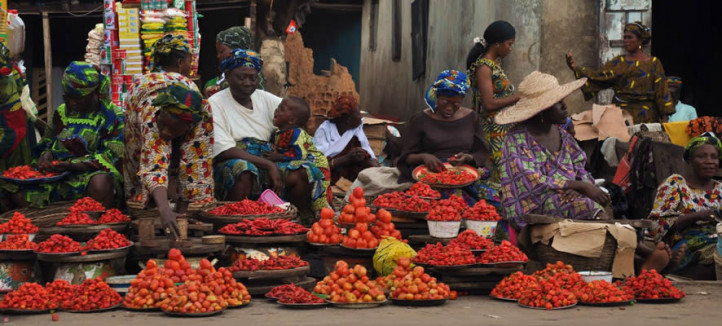
A bag of rice that had one price last month suddenly increases. Tomatoes become expensive almost overnight. Pepper prices are not left out. Even basic household food items now change prices more frequently than many people expect.
For many families and businesses, keeping up with food costs in Lagos has become a major concern. And while some people simply blame “the market,” the reality is that several different factors affect the cost of food items in Lagos every single day.
Understanding these factors helps people buy smarter, plan better, and know why market prices are rarely stable.
1. Transportation And Fuel Costs
One of the biggest factors affecting food prices in Lagos is transportation.
Most food items sold in Lagos are transported from other states across Nigeria. Before tomatoes, onions, rice, yam, pepper, or vegetables get to Lagos markets, they travel long distances by road.
When fuel prices increase, transportation costs also rise. This affects delivery trucks, loading and offloading, Interstate transportation and market distribution within Lagos.
The extra cost is eventually added to the final market price customers pay.
2. Seasonal Availability Of Food Items
Some food items are cheaper during certain seasons and more expensive during others.
For example tomatoes may become scarce during rainy season. Pepper prices can rise during off-season periods. Fresh produce may reduce during flooding or dry conditions. When supply becomes low and demand remains high, prices naturally increase.
This is why some food items fluctuate regularly throughout the year.
3. Demand And Population Pressure In Lagos
Lagos is one of the busiest and most populated cities in Nigeria. Millions of people buy food daily.
The high demand for food items puts pressure on available supply, especially for staple foods like Rice, Garri, Beans, Tomatoes, Cooking oil etc.
The more people demand certain items, the more prices can rise.
4. Market Middlemen And Distribution Chains
Before many food items reach the final buyer, they often pass through several hands: Farmers, Transporters, Wholesalers, Market distributors, Retail sellers.
Each stage may add additional costs or profit margins. By the time the item gets to the final consumer, the price may be significantly higher than the original farm price.
5. Weather Conditions And Farming Challenges
Weather plays a major role in food production.
Heavy rain, flooding, drought, or extreme heat can affect crop growth, harvest quantity, food quality, and transportation of produce.
When farming becomes difficult, food supply reduces, and prices increase.
6. Storage And Preservation Costs
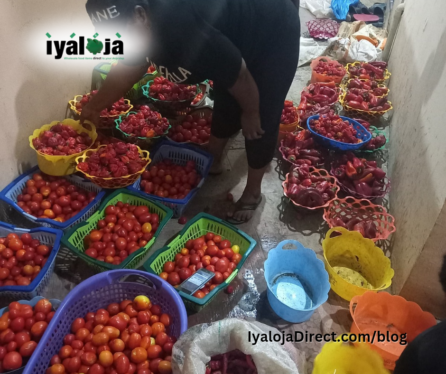
Some food items spoil quickly and require proper preservation. Items like tomatoes, pepper, vegetables, fruits need careful handling and storage to prevent losses.
Sellers often add these preservation and spoilage risks into their pricing.
The higher the risk of spoilage, the higher the selling price may become.
7. Inflation And Economic Conditions
General economic conditions also affect food prices.
When the cost of living increases, businesses spend more on transportation, rent, labor, packaging and electricity
These increases eventually affect the cost of food items in the market.
8. Bulk Buying vs ‘Small Small’ Buying
The quantity purchased can also affect pricing.
Buying in bulk often gives better value than buying ‘small small’ portions because wholesalers usually offer lower rates for larger quantities.
This is one reason many Lagos residents now prefer bulk foodstuff sharing service like Iyaloja Direct.
9. Market Levies And Daily Operational Costs
Market sellers also deal with several daily expenses, including stall rent, agbero charges, loading fees, security contributions, packaging materials
These costs are often added indirectly to food prices.
Conclusion
The cost of food items in Lagos is not determined by one single issue. Transportation, fuel, weather, market demand, storage, inflation, and logistics all work together to affect how much customers eventually pay.
Understanding these factors helps customers make better shopping decisions and appreciate why prices may change frequently.
At Iyaloja Direct, we understand how stressful rising food prices can be. That is why we help customers buy smarter through our Mile 12 , Oyingbo and Ketu bulk foodstuff sharing. No matter how little foodstuffs our customers may need, we buy for them at direct market wholesale price and deliver to their doorstep.
Join other hundreds of people in Lagos today, let’s help you save money, save time and save stress.
Order at www.iyalojadirect.com