

- Your cart is empty
- Continue shopping

-
Faith
- Posted on
- Categories:Uncategorized
- 0 comments
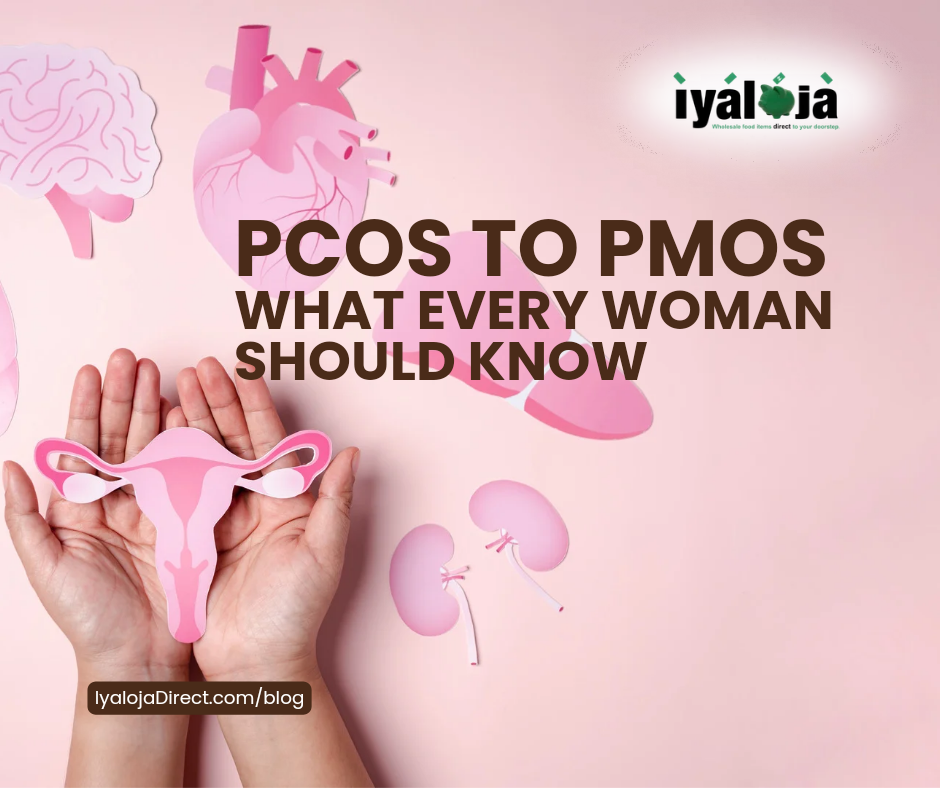
For many years, millions of women around the world have known the condition called PCOS, which stands for Polycystic Ovary Syndrome. It is one of the most common hormonal conditions affecting women of reproductive age and is often associated with irregular periods, acne, weight gain, fertility challenges, and hormonal imbalance.
Recently, medical experts introduced a new name for the condition: PMOS, meaning Polyendocrine Metabolic Ovarian Syndrome.
The condition itself has not changed. What changed is the understanding of how deeply it affects the body. Doctors and researchers realized that the old name “PCOS” focused too much on ovarian cysts, even though many women with the condition do not actually have cysts.
They also found that the condition affects much more than the ovaries alone.
It can affect hormones, metabolism, insulin levels, body weight, skin health, emotional well-being, fertility, and overall health. That is why experts now believe the name PMOS better describes the condition.
What Does PMOS Mean?
The new name was carefully chosen to explain the condition more accurately.
- Poly – Meaning “Many”
- Metabolic – How the Body Uses Energy and Sugar.
- Ovarian – The Role of the Ovaries.
- Syndrome – A Group of Related Symptoms
Why The Name PCOS Was Changed To PMOS
1. Many Women With PCOS Do Not Have Ovarian Cysts
One major problem with the old name was that it created confusion. Many women believed they could not have the condition unless scans showed cysts on their ovaries. However, doctors discovered that many women diagnosed with PCOS never actually had cysts.
This sometimes delayed diagnosis and treatment because people focused too much on the “cyst” aspect of the condition.
The new name removes that misunderstanding and focuses more on the full hormonal and metabolic condition.
2. The Condition Affects More Than Reproductive Health
PMOS affects much more than periods and fertility. It can influence blood sugar control, weight management, skin health, hair growth, emotional health, energy levels, sleep patterns.
By changing the name, experts hope people will better understand that this is a whole-body health condition, not just an ovary-related issue.
3. The New Name Encourages Better Awareness
The old term “PCOS” sometimes minimized the seriousness of the condition because many people assumed it only involved cysts.
The new name helps highlight the hormonal and metabolic challenges women may face, encouraging earlier diagnosis, proper treatment, and better long-term care.
Common Symptoms Of PMOS
1. Irregular Menstrual Periods
One of the most common symptoms is irregular periods. Some women may skip periods for months, while others experience very heavy or unpredictable bleeding.
This happens because hormonal imbalance affects regular ovulation.
2. Weight Gain And Difficulty Losing Weight
Many women with PMOS notice weight gain, especially around the stomach area. Even with dieting and exercise, losing weight may feel unusually difficult because of insulin resistance and hormonal imbalance.
3. Acne And Oily Skin
Higher levels of certain hormones can increase oil production in the skin, leading to persistent acne that may continue into adulthood.
4. Excess Facial Or Body Hair
Some women may notice increased hair growth on the face, chest, stomach, or back. This is linked to increased androgen (male hormone) levels.
5. Hair Thinning Or Hair Loss
While some areas experience excess hair growth, scalp hair may become thinner due to hormonal changes.
6. Difficulty Getting Pregnant
Because ovulation may become irregular, some women with PMOS experience fertility challenges. However, many women with proper care and treatment still successfully conceive.
How PMOS Can Be Managed
1. Healthy Eating Habits
Nutritious meals rich in vegetables, fruits, fiber, and healthy proteins may help improve insulin sensitivity and support hormone balance. Some common foods harming your health should be avoided.
Reducing excess sugar and processed foods may also help manage symptoms better.
2. Regular Physical Activity
Exercise supports weight management, improves insulin response, and helps overall hormonal health. Even simple daily movement can make a difference over time.
3. Medical Support And Monitoring
Doctors may recommend medications, hormone treatments, or fertility support depending on individual symptoms and health goals.
Early medical support can help reduce long-term complications.
4. Stress Management And Proper Sleep
Poor sleep and chronic stress can worsen hormonal imbalance. Managing stress levels and getting enough rest are important parts of overall health management.
Conclusion
The shift from PCOS to PMOS reflects a deeper understanding of a condition that affects millions of women worldwide.
The new name recognizes that this is not simply a condition involving ovarian cysts. It is a hormonal and metabolic condition that can affect many parts of a woman’s health and daily life.
With proper awareness, healthy lifestyle habits, medical support, and early diagnosis, many women with PMOS can successfully manage their symptoms and improve their overall well-being.
At Iyaloja Direct, we believe healthy living starts with access to quality food. From fresh vegetables to household essentials, we help hundreds of people in Lagos source their foodstuff needs at direct Mile 12, Oyingbo and Ketu market wholesale price no matter the quantity and deliver to their doorstep.
Contact us or order now at www.iyalojadirect.com
