
- Your cart is empty
- Continue shopping
-
Faith
- Posted on
- Categories:Uncategorized
- 0 comments
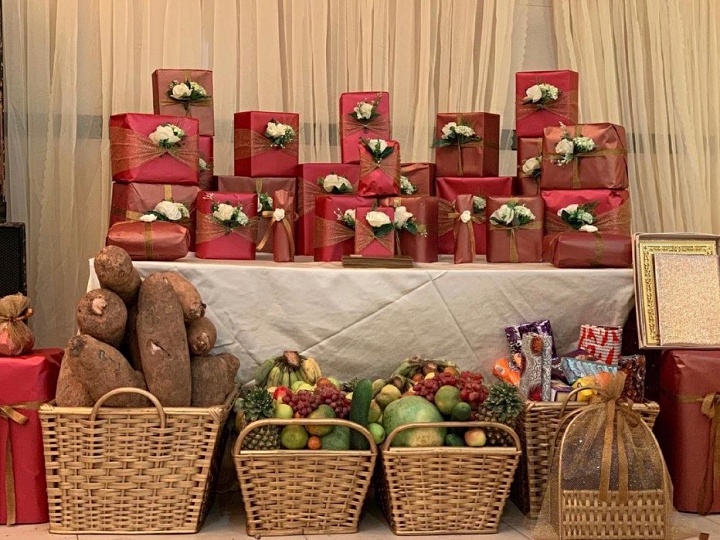
By the time most people get to the end of an Eru Iyawo list, they’ve figured out why the rice is there. The fruits make sense. The drinks are easy to understand, and even the fabrics feel like an obvious part of a traditional wedding.
Then they come across items like honey, alligator pepper, Aadun, salt, kola nut and bitter kola.
Why are these on the list? What do they represent? Are they just traditions people have continued over the years, or do they actually mean something? The answer is a little bit of both.
The Beauty of a Yoruba Traditional Wedding
One of the things that makes Yoruba traditional marriage so beautiful is that it uses ordinary items to express extraordinary wishes. Instead of long speeches, many of the gifts themselves express hopes for the couple’s future. They’re symbols of love, prosperity, good health, peace and unity. While every family has its own customs and interpretations, the message behind these traditional items has remained remarkably consistent over the years.
Honey: A Marriage Filled With Sweet Moments
If there is one item almost everyone immediately understands, it’s honey. When an older person says, “May your marriage be as sweet as honey,” you don’t need anyone to explain what they mean. It’s a simple prayer, but one that carries a lot of emotion.
Marriage isn’t perfect. Every couple will disagree sometimes, face difficult seasons and have moments that test their patience. Including honey in an Eru Iyawo package isn’t pretending those moments won’t happen. Instead, it’s a prayer that love, kindness and understanding will always outweigh the difficult days. Honey reminds the couple to be intentional about creating joy in their home. Sweetness doesn’t happen by accident. It’s built through patience, forgiveness, laughter and choosing each other every day.
Alligator Pepper: A Symbol You’ll Find at Many Yoruba Ceremonies
If you’ve attended Yoruba naming ceremonies, family meetings or traditional weddings, you’ve probably seen alligator pepper before. It’s one of those items that has remained part of Yoruba culture for generations. While different communities use it in slightly different ways, it’s often associated with prayers, blessings and important family occasions.
That’s why seeing it on an Eru Iyawo list shouldn’t come as a surprise. Rather than thinking of it as just another spice, see it as a reminder that marriage is entering a new season of life. The prayers offered during the ceremony are just as important as the gifts themselves, and alligator pepper has long been part of those moments.
Aadun: A Simple Food That Carries Memories
If you grew up in a Yoruba home, there’s a good chance Aadun brings back memories before you even taste it.
Maybe it reminds you of visits to your grandmother’s house, festive celebrations or childhood snacks wrapped in paper. It’s one of those foods that instantly feels familiar. Made from roasted maize flour, palm oil and spices, Aadun isn’t included on every Eru Iyawo list, but many families still request it because it represents a connection to our roots, which is something that’s becoming increasingly valuable.
In a world where many wedding traditions are becoming more modern, including Aadun is a way of saying that our culture still matters. It reminds everyone present that while a marriage looks towards the future, it should never forget the values and traditions that shaped the families coming together.

Salt: Small, But Very Meaningful
Compared to beautifully wrapped fabrics or colourful fruit baskets, it’s easy for a bystander to overlook salt in Eru Iyawo. Yet imagine trying to cook a pot of jollof rice or egusi soup without it. You’d immediately notice something was missing.
That’s perhaps the simplest way to understand why salt appears on an Eru Iyawo list. It’s a reminder that the little things often make the biggest difference. Marriage isn’t sustained only by grand romantic gestures or expensive gifts. It’s built through everyday acts of kindness, respect, thoughtful conversations and showing up for each other, even on ordinary days. Those small daily acts often become the foundation of a happy home.
Kola Nut and Bitter Kola: Welcoming Families Together
Long before modern event centres and wedding planners became part of traditional ceremonies, kola nut already held a special place in Yoruba culture. Offering kola nut has long been a sign of welcome and respect. It’s used when receiving visitors, settling important family discussions and marking significant occasions.
During a traditional marriage, its presence reflects the coming together of two families rather than just two individuals. Bitter kola is often presented alongside it.
While customs vary across different Yoruba communities, both items remind everyone present that marriage is built on relationships that extend beyond the bride and groom. It’s about creating new bonds between families that may continue for generations.
Why These Traditions Still Matter Today
Modern couples now meet online, plan weddings on Pinterest and share engagement photos on Instagram. Yet when traditional wedding day arrives, most Yoruba families still insist on including these symbolic traditional wedding items.
This is because traditions help tell stories that words sometimes cannot. Each item is a prayer for the couple’s future. Together they all express hopes for peace, prosperity, fruitfulness, unity, resilience and happiness. Even if younger generations don’t know the meaning behind every single item, the ceremony itself becomes a reminder that marriage is bigger than two people in love. It’s also about family, heritage and community.
Need Traditional Wedding Items in Lagos? We Can Help.
One challenge many couples in Lagos discover is that these traditional items aren’t always available in one place. You might buy your groceries from Balogin, your fruits from Ketu, your fabrics from Balogun Market and then still need another stop to find some of the ceremonial items on the list.
That’s why planning ahead is so important. Once you receive the official Eru Iyawo list from the bride’s family, organise your shopping early and source as many items as possible from trusted suppliers who understand the process.
At Iyaloja Direct, we help families source items on the Eru Iyawo list, buying directly from major wholesale markets across Lagos. It means you spend less time worrying about traffic and market prices, and more time enjoying one of the happiest seasons of your life. Contact us today and let’s help you take the hassle off your special day.
Image credit: OMASTYLE Bride
